
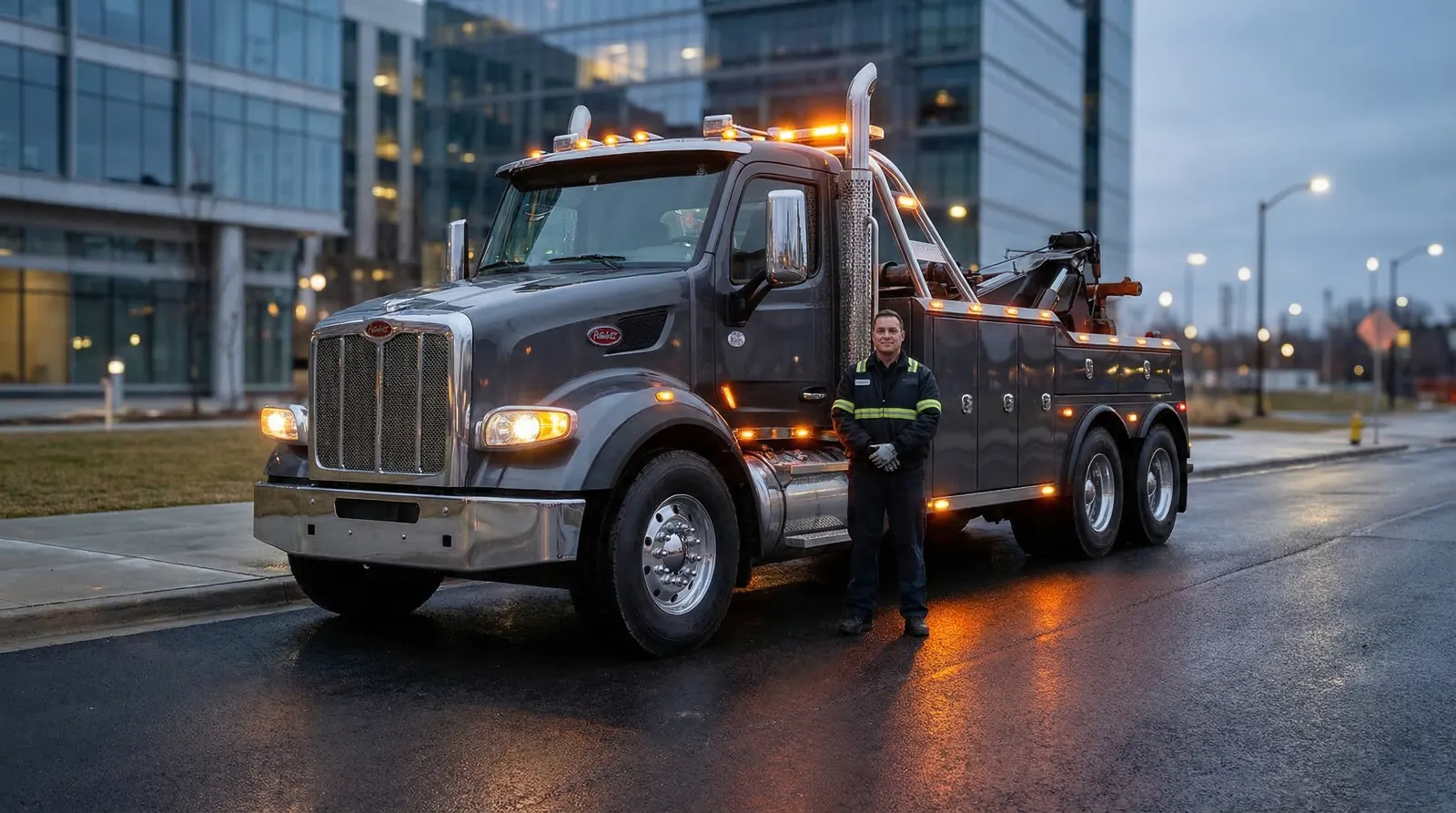
Reduce dispatch costs without betting your workflow on AI-only coverage.
TowKraft helps towing company owners cover after-hours, overflow, weekend, and approval-heavy dispatch work with a leaner support model today and a smarter path to automation over time.
Pricing starts at $5/hour for lighter coverage needs. TowKraft is built for owners who need a more controlled way to cover after-hours, overflow, weekend, or approval-heavy dispatch work without defaulting to overhiring.
Why towing company owners switch to TowKraft.
Building a bigger dispatch bench to cover nights, weekends, and overflow can create a payroll problem faster than it solves a coverage gap.
Jobs leak when after-hours calls, driver updates, and customer communication break down during overloaded shifts.
Volume spikes make it obvious when the current bench cannot cover dispatch movement, customer calls, and escalation-heavy work at the same time.
Routine automation can help, but towing dispatch still needs human judgment when approvals, exceptions, and handoffs get messy.
The dispatch work TowKraft can step into first.
Coverage that costs less than overbuilding payroll while keeping primary, secondary, and impound dispatch moving.
- Service dispatch
- Tow dispatch
- Secondary tow coordination
- Impound workflows
Support that plugs into the exact operational gap so customer calls, driver coordination, and escalations do not slip when benches get stretched.
- Customer and cash calls
- Driver coordination
- Insurance calls
- Escalation handling
Towing-specific workflow support where human judgment still matters most on approval-heavy and exception-heavy jobs.
- GOA and overages
- Equipment and fuel charges
- Accidental tow cases
- Service upgrades
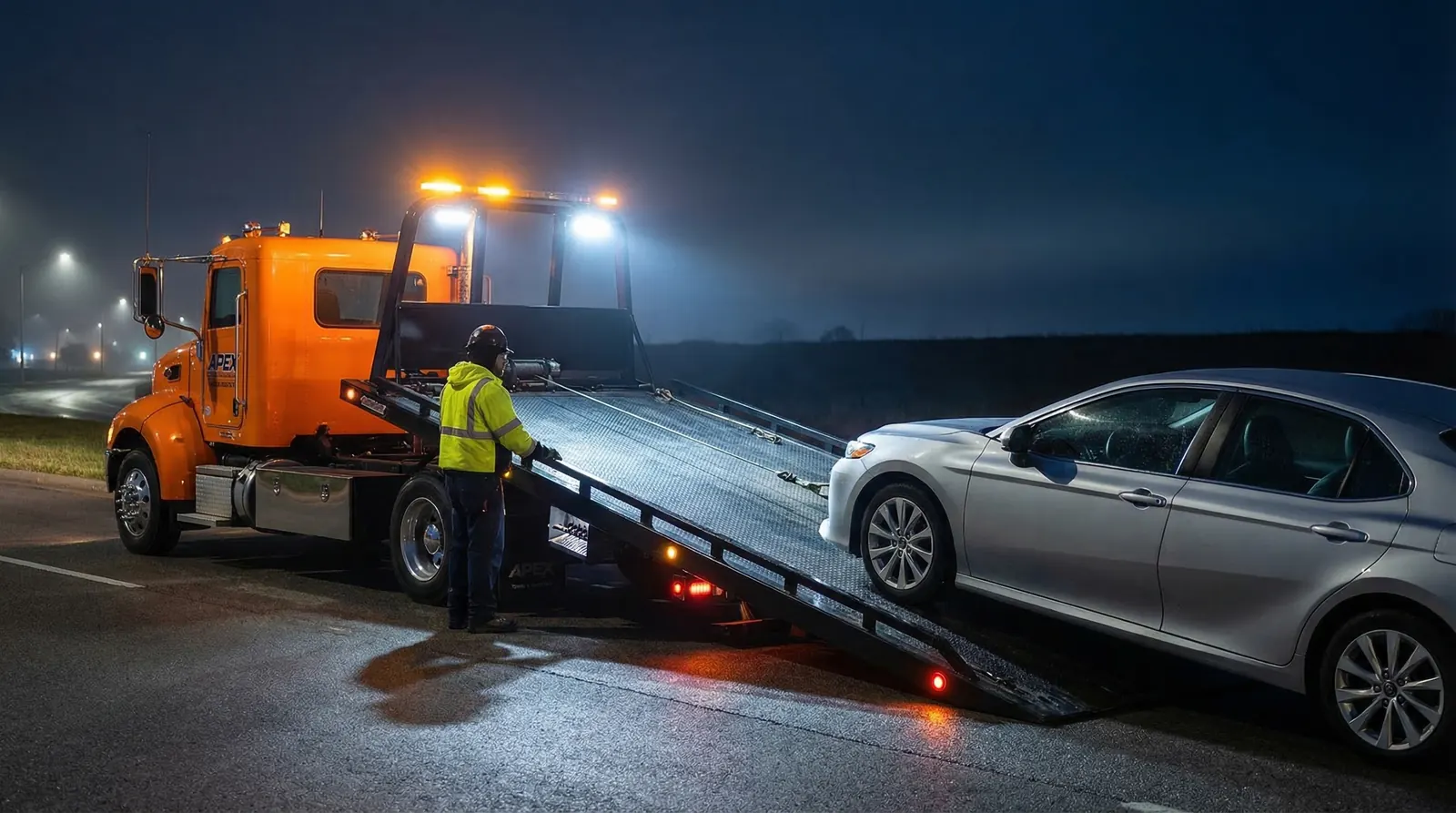
Use this section to match the problem to the right support type, whether that is dispatch coverage, towing call handling, or approval-heavy coordination.
Each service page goes deeper on fit, workflow, and commercial tradeoffs so owners can qualify the right model faster.
Start with the dispatch gap costing you the most.
Choose the coverage model that relieves the biggest cost and staffing pressure first, then expand only where the workflow needs it.
Pricing starts at $5/hour for lighter coverage needs.
Total cost scales with coverage scope, workflow complexity, and the amount of live support you want TowKraft to own. Owners buy the dispatch gap they need covered instead of overbuilding payroll.
How TowKraft compares when the owner is weighing cost, fit, and risk.
A leaner support model that covers dispatch gaps without forcing full payroll expansion.
Building a larger in-house bench gives control, but it can be the most expensive way to solve nights, weekends, and overflow.
Built around towing-specific dispatch flow, approvals, impounds, secondary tows, and messy exceptions.
Generic outsourced coverage may be cheaper to start, but it is usually less towing-specific once the workflow gets complex.
Human-led support handles the messy jobs now, with a smarter path to automation over time.
AI-only automation can lower labor on routine work, but it is riskier when approvals, escalations, and exceptions drive the job.
A practical middle ground between expensive in-house expansion, generic coverage, and AI-only automation.
Most alternatives force a harder tradeoff between cost, workflow fit, and operational safety.
What owners usually want evidence on before changing coverage.
“TowKraft gave us steadier after-hours coverage without forcing us to keep expanding payroll just to cover nights and weekends.”
“The difference was not just answered calls. It was cleaner driver coordination and less drag on approval-heavy jobs without overbuilding the bench.”
“We needed something smarter than generic outsourced coverage and safer than AI-only automation. TowKraft fit that middle ground.”
Problem: Thin night coverage was creating missed jobs and pressure to add more in-house staffing.
Solution: TowKraft covered after-hours intake, dispatch, and escalation flow with a leaner support model.
Outcome: Fewer missed opportunities, steadier coverage, and less pressure to overhire.
Problem: Approvals and exceptions were slowing dispatch movement and pulling too much management time.
Solution: TowKraft handled insurance-facing coordination inside live dispatch where human judgment was still needed.
Outcome: Less management drag, fewer stalled jobs, and better workflow handling without full staffing expansion.
Problem: Volume spikes caused sloppy handoffs and exposed the limits of the existing dispatch bench.
Solution: TowKraft plugged in for overflow call handling and dispatch support where the gap was costing the most.
Outcome: Steadier coverage, cleaner coordination, and less need to solve spikes with permanent overhiring.
What happens before TowKraft touches a live shift.
Questions owners ask before handing over dispatch support.
Does TowKraft replace our in-house dispatch team?+
Not necessarily. TowKraft can plug in for after-hours, overflow, weekends, insurance-heavy workflows, or broader coverage depending on how your operation is staffed today.
How does onboarding work?+
The operating model starts with process review, then transition and training, and only then moves into live shift support.
What kinds of calls and cases can TowKraft handle?+
The current offer includes service dispatch, tow and impound coordination, customer and driver calls, insurance calls, escalations, and approval-heavy exceptions.
Is TowKraft software or AI-only automation?+
No. TowKraft is human-led dispatch support for towing companies. Workflow tools and smarter automation can layer in over time, but the model is designed to keep human judgment where messy real-world dispatch work still needs it.
How does TowKraft compare to adding more in-house dispatch staff?+
TowKraft is designed as a more cost-efficient way to cover dispatch gaps without overbuilding payroll just to solve after-hours, overflow, weekend, or approval-heavy coverage needs.